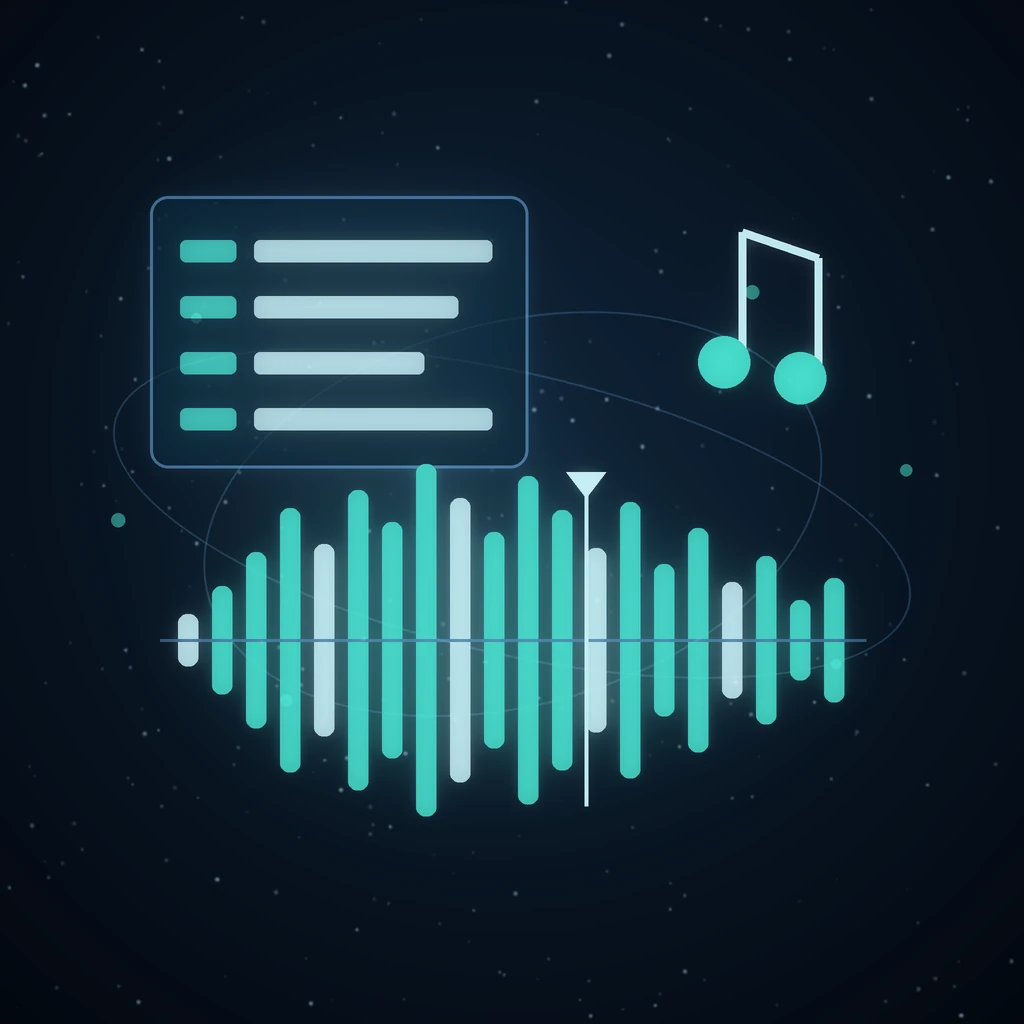
Type the words, and an AI sings your song
Write or generate lyrics in Music Studio and a song model sings them into a finished track — with remixing, cover art, playlists and a community shelf.
Guides, ideas and product notes on multimodal creation and knowledge graphs.

Write or generate lyrics in Music Studio and a song model sings them into a finished track — with remixing, cover art, playlists and a community shelf.

One sentence about what a robot should do becomes requirements, a bill of materials, printable parts, wiring — and trials that decide whether it works.

Turn one line of brief into a song that already plays, edit every note of it, then hand the finished track to Film or Game Studio as its score.

Watch re-asks your question on a schedule, captures a baseline, and diffs every later run against it — so you hear only when the answer actually moves.

Film Studio plans a whole film in stages — script, cast, keyframes, clips, score — and asks you to approve the cheap things before it pays for the expensive ones.

Reader answers from the passage you highlighted, turns a section into slides, and keeps your notes and reading position with the document.

Game Studio reads one paragraph into a design document, level layouts, character sheets, sprites and music — then assembles a self-contained playable file you can hand to anyone.

Cutting a photo into layers causes every halo, seam and ghost copy. Grafy now displaces one whole picture through a continuous depth map instead.

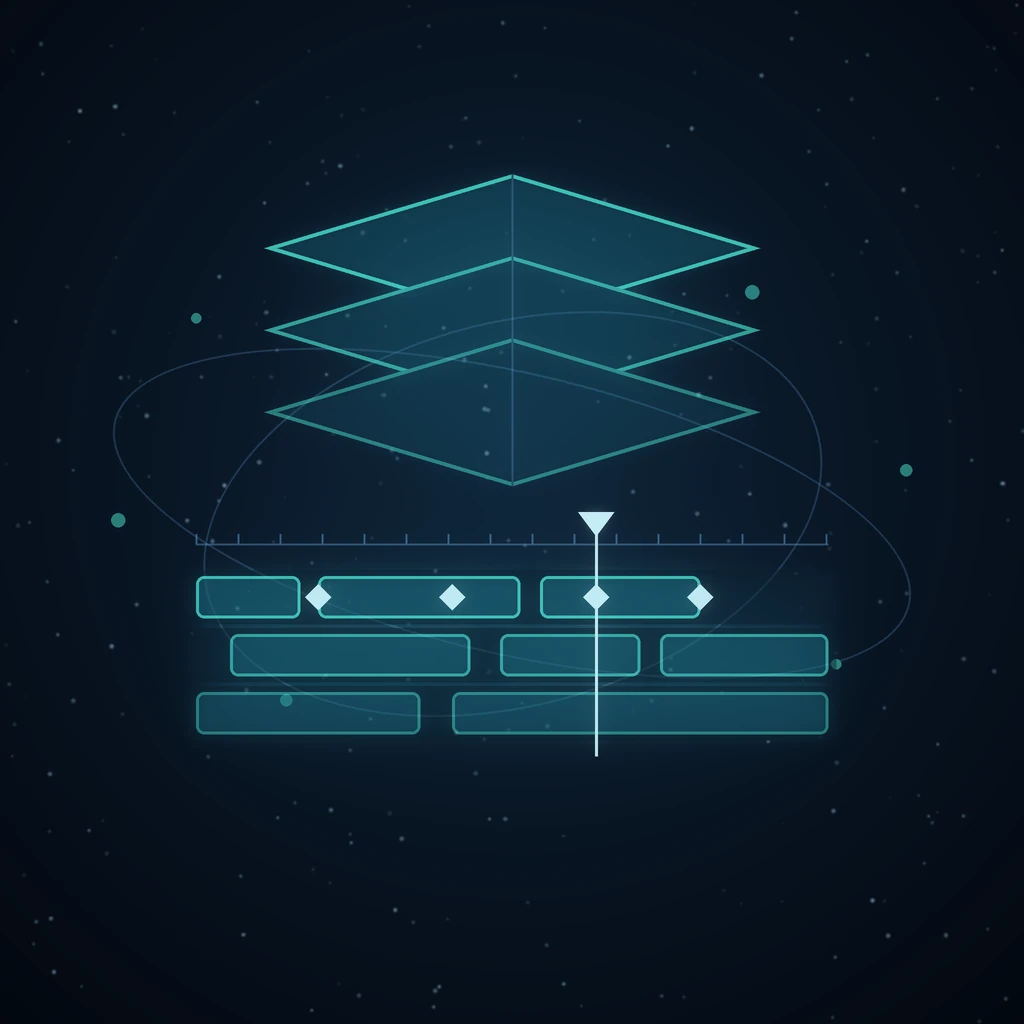
Video Edit is a compositor on the same canvas as everything else: stack tracks, animate with eased keyframes, key out a green screen, track motion, and render the stack in one pass.

A spend gate that tracks the live catalog instead of a hard-coded list — and a fallback walk that climbs cheap to premium instead of failing.

Grafy Bots turns your pages and documents into an embeddable assistant: crawl a URL, test it in a playground that cannot flatter it, then copy one script tag.

The Files Editor records the tool each file was last used in, reopens it there in one click, and converts PDFs to real spreadsheets natively.

Creator is the fast lane: several hundred curated looks prefill the composer, one submit fans out into four sibling jobs, and every session reopens as a graph.

Turn a single image or a prompt into a textured 3D model, then retexture, rig and export it for print or the web — all on the same canvas.

Run the same prompt across a party of models side by side, then appoint a judge to weigh the pros and cons and choose a winner.

Take an image or clip you made in Grafy straight into Social Studio: AI writes the caption and hashtags, previews each platform, and schedules the post.

Grafy Code pairs a real editor with an AI assistant that can plan, edit across files and run your code — installing the packages it needs on a server sandbox.

Share a 3D model or a media result to the community gallery, where anyone can explore it in the browser and branch it into their own graph to remix.

Reasoning models spend most of their tokens thinking before they answer. Grafy streams that thinking live, then folds it away so you get the reasoning and the result.

Paste a link or drop a PDF and Grafy lays the ideas out as a graph you can question — an AI second brain that keeps the shape of everything you read.

Describe an outcome and Grafy's agent plans the steps, runs them as nodes on the canvas, and leaves a trail you can inspect, correct and rerun.
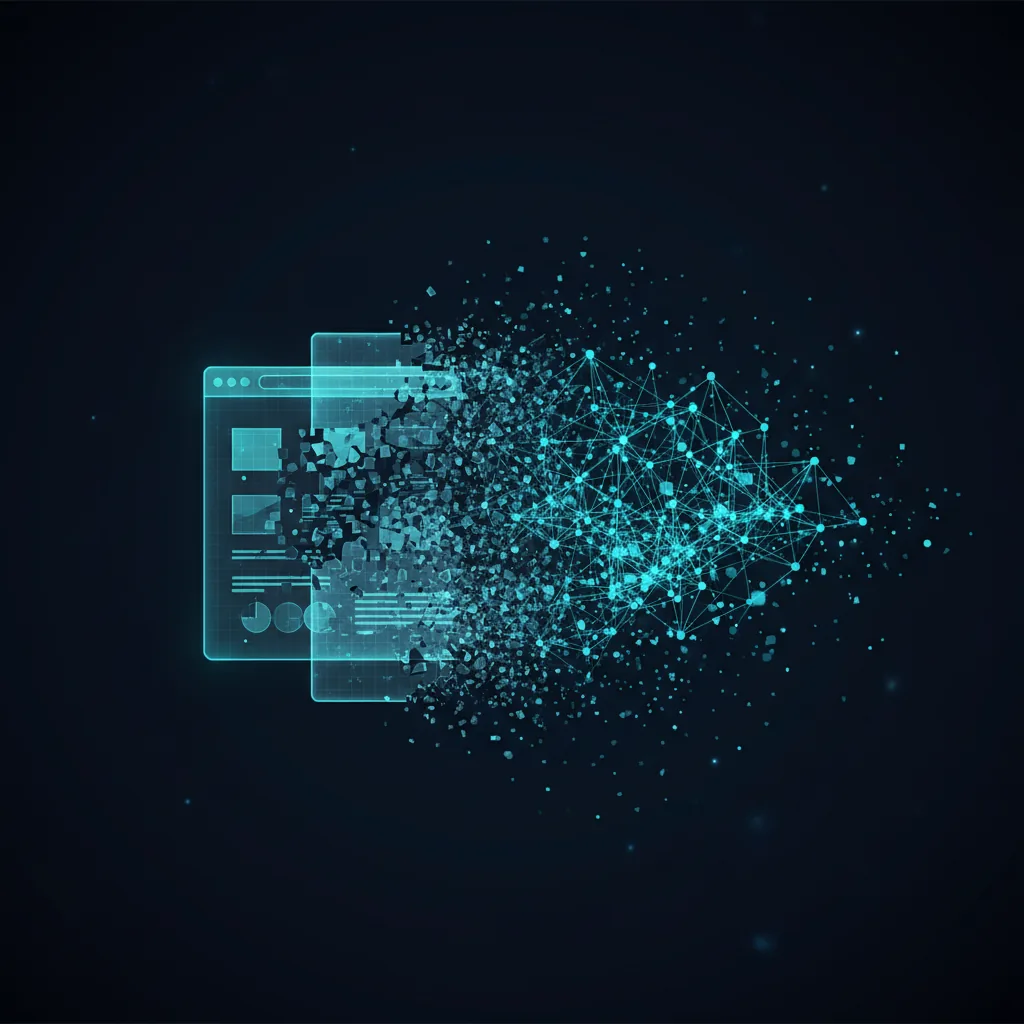
Drop a PDF into Grafy and get a navigable concept map instead of 15 pages to re-read.

Linear chat forgets and flattens. A graph keeps every branch, version and idea side by side.

Stack reversible edits, branch any step, and keep every version on one canvas.

Turn a still or a concept into a short clip and keep it next to the rest of your work.

Three node operations that turn a pile of generations into a structured argument.

Score a scene or narrate a script without leaving the canvas.

Draft and reason with models that are anchored in the files you bring.

Match two projects at a higher level of meaning and surface the gaps in each.

Multi-frame understanding lets you ask about motion and time, not just one still.

When every step is a node, you can always answer how a result was made.